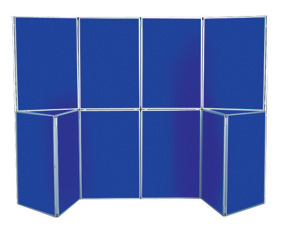
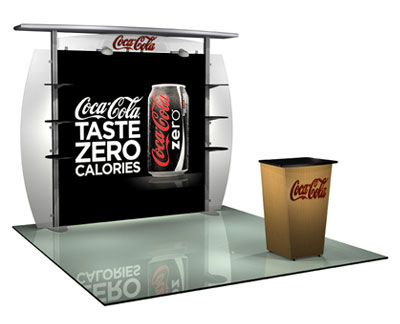
It is crucial for us to choose the right kind of exhibition stand for the display. This choice will help us to maximize the effectiveness of the exhibit in the best way possible. There are a number of different kinds of exhibition stands on the market that I have found shown bellow.
1. Traditional Stands - These stands were the ones that have been used for many decades now and the mechanism is very simple. Essentially a traditional exhibition stand consists of a couple of rods that are firmly rooted in the ground. In between these rods, there is some sort of platform that is places so that the exhibitor may display the exhibit on it. Although there are many different types of exhibition stands available nowadays, this still remains a popular stand to use.
2. Modular Display Stands - These types of stands is very popular among exhibitors, with these types of stands offering versatility for exhibiting. What the term literally means is that there are a number of individual components that fit together to form this exhibition stand. The most common types of modular displays are the table top displays, point of purchase and portable displays.
3. Literature Stands - These are much specialised and ones that help the exhibitors set up displays for different kinds of literature. Essentially, a literature stand is like a portable bookshelf that has various shelves that will allow the exhibitor to place a number of small items on different levels. These stands are very useful for ensuring that you leave a lasting impression on the exhibition attendees, by aiding them in walking away with branded materials about your business.
4. Banner Stands - Banner stands are a relatively new innovation and allow the display to hang from the stand. There are many different kinds of banner stands, which include roller banners, cassette banners, rigid banners and motorised banners. These stands are very easy and quick to assemble and come in a variety of styles and designs.
5. Pop-up Stands - These stands give exhibits a more artistic appeal and are a portable option for businesses to use. This type allows for a lot of versatility and there are a number of add-ons that can enhance these stands. These types of stand are also very portable, easy to put up and wonderful for branding.